Eternit Roofing: Popular Myths and Real Reasons
Eternit roofing sparks more opinions than a backyard barbecue. People talk about it like it’s either the second coming of roofing materials or a relic from the industrial age that should never touch a modern home. I've worked on dozens of roofs where Eternit products were either the backbone of a renovation or the mysterious material on inspection reports. Let’s be blunt: many myths around Eternit roofing persist because of half-truths, outdated information, and fear. I’ll cut through the noise and give you the real reasons why Eternit still matters, when it doesn’t, and how to manage it safely and sensibly.
First, what is Eternit? Historically, Eternit referred to fiber cement products often associated with asbestos in older installations. Modern Eternit roofing, however, almost always means fiber cement without asbestos — manufactured to strict regulations and tested for longevity, fire resistance, and durability. That distinction is crucial, yet it’s one that gets lost in conversations.
From a personal perspective, I remember an elderly client, Mrs. H., who inherited a house with an Eternit roof installed in the 1970s. She was terrified when she learned about asbestos decades after her roof was installed. We traced the product batch and age, engaged a licensed testing lab, and determined the roof sheets contained no asbestos. She was relieved, but more importantly, we then inspected the roof for structural condition, not myth-based panic. The repair approach we used extended the roof’s life by another 12 years, saving her a major upfront expense.
Who benefits from spreading doom-and-gloom myths? Nobody but opportunistic contractors who push expensive removal when simpler maintenance would do the trick. Conversely, I’ve seen local councils over-cautiously ban the sale of sound Eternit roofing because of poor public education. The balanced reality is this: old fiber-cement roofing that contains asbestos must be handled with licensed removal protocols; new Eternit products are safe, and when managed correctly, they give great service.
Table: Quick myth-bust snapshot | Myth | Reality | |---|---| | All Eternit contains asbestos | No — modern Eternit fiber cement is asbestos-free. | | Eternit must always be replaced | Not always — many roofs are structurally sound and can be repaired or overlaid safely. | | Asbestos equals immediate danger to health | Only if disturbed and fibers become airborne; intact, undisturbed material poses much lower risk. | | Removal is always cheaper long-term | Often more expensive upfront and sometimes unnecessary; risk-based approach is best. |
Here’s the deal: evaluate condition, age, testing, and cost before making choices. That’s what I do every day — and what you deserve from anyone advising on Eternit roofing.
Why homeowners fear Eternit: Asbestos, safety, and science
Why does Eternit make homeowners jittery? Because asbestos scares people, and it should — when mishandled, asbestos fibers can cause serious diseases. But fear often outpaces facts. From my years on roofs and in assessment reports, I’ve found that education and a measured approach calm the most worried clients.
Let’s break it down: asbestos is dangerous when breathable fibers are released and inhaled over time. An intact Eternit roof that has not been cut, drilled, or disturbed generally presents a low risk. Yet homeowners call me in a panic when they see flaking paint, moss, or cracked sheets. My first step is always inspection and testing. A sample to an accredited lab answers the key question: does it contain asbestos? If it doesn’t, you can stop worrying and move on to practical care. If it does, your response depends on condition and location.
How does age influence risk? Older sheets, especially those from the mid-20th century, are more likely to contain asbestos. But age alone is not destiny. I once inspected a 1965 bungalow where the Eternit panels were brittle and delaminating; removal made sense. Next door, another 1965 roof was in surprisingly good condition — there, encapsulation and targeted repairs were safer and far cheaper.
What about safety during renovation? That’s where licensed operatives are non-negotiable. I’ve witnessed DIY attempts to remove suspect sheets — please don’t do this at home. When fibers are released during unsupervised cutting or breaking, contamination spreads quickly. Licensed teams use negative-pressure enclosures, HEPA filtration, and secure waste handling. It’s not glamorous, but it’s how we keep both workers and homeowners safe.
Lastly, science and standards have advanced. New fiber cement formulations replace asbestos with cellulose or other binding fibers, and manufacturing tolerances are strict. They create products with predictable performance and known hazards: minimal, when handled properly. So, yes, fear is understandable — but facts and proper process should guide your decisions.
Eternit vs modern alternatives: durability, cost, and environmental impact
Choosing a roofing material is like picking a team: you want performance, chemistry, and teammates who won’t let you down. Eternit fiber cement often competes against metal, clay, slate, and composite shingles. Each material has strengths and trade-offs. Let me walk you through the realities based on real projects and long-term performance.
Durability: Eternit fiber cement is tough. It resists rot, insect attack, and fire. On several projects in coastal regions, I’ve seen Eternit roofs last 40 years with minimal intervention, outperforming some timber-based systems. However, it can be brittle under sudden impact and may develop mildew or moss in shaded, humid conditions. Metal roofing, by contrast, handles impact better but can dent and be noisier. Clay and slate are heavy but long-lived; they require a strong structure.
Cost: Upfront cost for Eternit often sits in the mid-range. Not as cheap as asphalt shingles, but less than slate or some premium metal systems. When I consult on a reroof budget, I look at whole-life costs. An Eternit roof that’s maintained properly can be more economical over 30 years than a cheaper alternative that needs frequent replacement. Remember to factor in removal costs if the existing roof contains asbestos — that can swing budgets dramatically.
Environmental impact: Modern Eternit has a decent eco-profile when produced with non-asbestos binders and recycled content. Fiber cement’s longevity reduces replacement frequency, which helps carbon accounting. Metal roofing is highly recyclable, too. Clay and slate are natural materials with long lifespans but carry higher embodied energy for extraction and transport in some regions. If sustainability matters to you — and it should — weigh embodied energy, recyclability, and expected service life.
Which material is best? The answer depends on climate, budget, structural capacity, and aesthetic preferences. I once helped a seaside client who prioritized fire resistance and low maintenance: Eternit won. Another client wanted a period look for a heritage property: clay tiles were non-negotiable. I’ll always show clients real-world performance and make recommendations tailored to their site and finances.
Assessment and testing: how we evaluate an existing Eternit roof
You wouldn’t buy a used car without a test drive; you shouldn’t decide on roofing work without proper assessment. When I inspect an Eternit roof I follow a disciplined process that answers safety, structural, and budget questions. Let’s walk through that diagnostic checklist so you know what to expect and what questions to ask your contractor.
Step 1: Visual inspection. This is low-tech but essential. From ground level, I look for sagging, broken sheets, staining, and evidence of water ingress. From scaffold or careful roof access, I examine fastener corrosion, lap condition, and signs of delamination. Small cracks may be repairable; widespread fragmentation often indicates the need for replacement.
Step 2: Sampling and lab testing. If the roof predates the late 1980s or documentation is missing, a sample to an accredited lab confirms whether asbestos is present. It’s a short turnaround that removes guesswork. I always recommend working with a lab that’s recognized by local authorities.
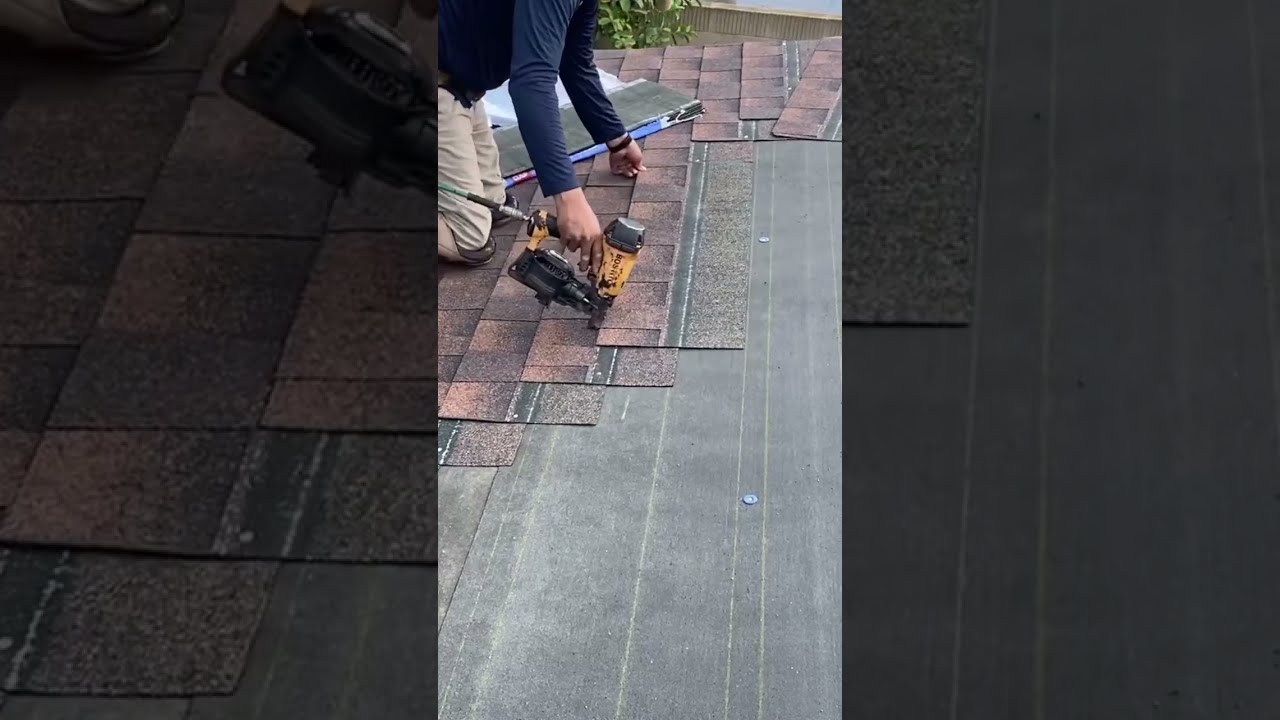
Step 3: Structural assessment. Eternit sheets are lighter than many tiles, but the supporting timbers might have issues. I check rafters, purlins, and eaves for rot and insect damage. In a recent project, visible staining hid a water ponding problem that had softened the sheathing; addressing it saved an otherwise premature replacement.
Step 4: Risk-based decision. If asbestos is present but the material is intact, encapsulation and localized repair may be safer and cheaper than removal. If the material is friable or heavily weathered, removal by licensed teams is recommended. I’ll always provide a cost comparison: keep-and-maintain vs. Remove-and-replace, including disposal and compliance costs.
Common questions I answer on-site:
- Can we reroof over Eternit? Sometimes yes, but local building codes and roof pitch matter. Is partial replacement viable? Often, yes — we can remove damaged sheets and match modern equivalents. How long will repairs buy time? Usually 5–15 years depending on condition and climate.
Case note: A homeowner in a snowy mountain town had a cracked Eternit roof that shed snow poorly. We replaced a few panels, improved insulation and ventilation, and remedied eave details. That conservative approach saved them nearly $10k compared to full replacement and extended the roof’s life significantly.
Safe handling and licensed removal: what really happens during asbestos remediation
If testing confirms asbestos, panic sets in — understandably. But there’s a safe, regulated path forward. Here’s what licensed removal looks like, why it’s necessary, and how it protects your family and neighbors.
Licensed removal teams don’t just show up with a ladder and gloves. They operate under legal frameworks and strict protocols. That starts with containment: erecting plastic sheeting, creating negative pressure zones with HEPA filters, and sealing off work areas to prevent fiber escape. Workers wear PPE, including respirators and disposable suits. Waste is double-bagged, labeled, and moved in sealed containers to approved disposal sites. It’s thorough, and sometimes frustrating for homeowners who hoped for a quick fix, but that rigor exists for a reason — to protect public health.
What about cost and disruption? Licensed removal is expensive relative to simple repairs. I’ve led projects where removal accounted for 30–60% of reroof budgets. But compare that to the hidden costs of improper removal: contamination of your attic, neighbors’ properties, and potential health liabilities. Tack on fines and forced remediation by regulators, and the “cheaper DIY” route becomes a false economy.
How do you choose a contractor? Ask for:
- Licensing credentials and proof of insurance. A clear method statement showing containment measures. References and before/after photos from similar jobs. Disposal certificates showing where waste will go.
One here. story: a small duplex had a neighbor who insisted on cheap removal by an unlicensed crew. Poor containment contaminated both properties; the owners faced significant cleanup and legal headaches. Contrast that with a job where my recommended licensed team completed removal in five days, used temporary roofing to protect interiors, and provided certificates at Business completion. The latter was smoother and legally bulletproof.
Finally, think about timing. If removal is needed, plan for weather windows and interior protection. Cover skylights, move stored items, and communicate with neighbors. Proper planning reduces stress and avoids last-minute surprises.
Repair, encapsulation, or replacement? Decision frameworks and cost comparisons
So you’ve got a tested, inspected Eternit roof. Now what: repair, encapsulate, or raze and replace? The right choice depends on condition, budget, planning constraints, and long-term goals. I use a simple decision framework with clients to guide choices and show clear numbers — no guesswork.
Option 1: Repair and maintain. If the roof is largely intact, limited to local damage, and non-friable, targeted repairs often make sense. We replace damaged sheets, reseal laps, fix flashings, and treat moss and staining. Pros: lower cost, minimal disruption. Cons: you’re buying time, not forever.
Option 2: Encapsulation. This involves applying a specialized coating that seals the surface, binding fibers and reducing dust risk. It’s effective for certain materials and can extend life significantly. Pros: less expensive than removal; quick. Cons: coatings add weight, may change appearance, and are not suitable for highly deteriorated roofs.
Option 3: Full removal and replacement. Choose this when material is friable, pervasive damage exists, or a different roof system is desired. Pros: long-term solution, can upgrade insulation and aesthetics. Cons: highest upfront cost and greatest disruption.
Cost comparison example (indicative for a 150m2 roof region): | Option | Estimated cost (GBP) | Typical lifespan added | |---|---:|---:| | Repairs/patching | 1,500–4,000 | 5–12 years | | Encapsulation/coating | 3,000–6,000 | 10–20 years | | Full removal & replace | 10,000–25,000 | 30+ years (depending on material) |

Which did I recommend most often? Repairs for low-budget homeowners who need time to plan; encapsulation for those wanting a middle ground; full replacement for long-term owners ready to invest. One striking job was a municipal building where encapsulation provided a cost-effective life-extension while the council planned a campus-wide roof upgrade over five years. That phased approach saved taxpayer money and prevented unnecessary immediate replacement.
Ask yourself: do you plan to sell soon? Are there heritage constraints? Is long-term minimal maintenance a priority? Those answers move the needle.
Installation tips for new Eternit roofs: best practices and common pitfalls
If you decide on a new Eternit system — congratulations. Proper installation makes the difference between a quiet, long-lived roof and repeated headaches. I’ve supervised installations where minor details were ignored, and the roof underperformed; I’ve also overseen meticulous installs that look after your property for decades. Here’s what matters.
Start with quality materials. Buy from reputable manufacturers and verify that the product is non-asbestos if that’s a concern. Check warranties and understand what they cover. Fake or low-quality sheets can crack easily and void warranties.
Ventilation and insulation are often overlooked. Eternit performs well but needs proper ventilation to avoid condensation, which leads to rot in the supporting timbers. Ensure breathable membranes are installed correctly and that eaves and ridge ventilation are unobstructed.
Fixings and overlaps: use the right corrosion-resistant fasteners and follow manufacturer spacing for screws or nails. Too few fixings can lead to uplift in wind, and improper laps can cause leaks. On one job, an installer used standard nails instead of recommended screws; after a storm, several sheets shifted and water ingress occurred. It was an expensive lesson easily avoided with proper spec.
Flashings and details: these small elements prevent big problems. Ensure flashings at chimneys, gutters, valleys, Business and penetrations are correctly lapped and sealed. I once corrected a roof that used a single continuous flashing run without adequate fall; water pooled and caused leaks. A little attention to flashings prevents big bills later.
Training and supervision matter. Even experienced crews can slip on detail work if rushed. I always recommend a site-era key milestone inspection — rafter work, underlayment, sheet installation, and final flashing. That staged approach catches errors when they’re cheapest to fix.
Finally, warranty documentation and maintenance plans should be handed to you at completion. Ask the installer for a maintenance schedule: gutter cleaning, moss removal guidelines, and inspection intervals. A well-installed Eternit roof with proactive maintenance becomes a strong asset for your property.
Eternit Roofing: Popular Myths and Real Reasons
Why repeat the phrase? Because repetition helps memory, and homeowners deserve clear takeaways. Let’s restate the central truths, dispel lingering rumors, and present actionable steps you can take today.
Myth 1: Eternit always equals asbestos. Reality: not anymore. Modern fiber cement is asbestos-free and widely used. If your roof is old, test it before panicking.
Myth 2: You must replace any Eternit roof. Reality: not necessarily. Many Eternit roofs perform well for decades. Assessment guides the choice between repair, encapsulation, and replacement.
Myth 3: Asbestos presence equals immediate danger. Reality: risk depends on exposure. Intact, undisturbed material is lower risk; fibers become dangerous when airborne during disturbance.
Myth 4: DIY removal is fine if you’re careful. Reality: improper removal is a major health hazard and often illegal. Use licensed teams for confirmed asbestos.
What should you do tomorrow?
- If you suspect asbestos, order an accredited lab test. Don’t panic; test. If you already have a report, ask for a risk-based action plan that includes cost comparisons. If you hire contractors, request licensing, method statements, and disposal certificates.
A memorable client example: a school renovation project had an aging roofing system. The initial recommendation from a less experienced firm was immediate full removal. We commissioned testing and a structural audit, which showed parts of the roof were fine. We used a phased approach: local removal where boards were friable and sealing plus replacement elsewhere. The project saved money, reduced downtime, and prioritized safety. The principal later told me the phased approach allowed the school to schedule roof work without interrupting classes — that’s practical thinking at its best.
There’s no perfect slogan here other than this: evidence first, safety always, and long-term value over panic.
Frequently Asked Questions (FAQs)
Q1: Does Eternit always contain asbestos?
A: No. Modern Eternit and most fiber cement products manufactured since the late 1980s are asbestos-free. If your roof predates that era or documentation is missing, have a sample tested by an accredited lab.
Q2: Can I reroof over existing Eternit sheets?
A: Sometimes. Local building codes, roof pitch, and the condition of existing sheets influence whether overlaying is permitted. If the existing material contains asbestos, overlaying may complicate future removal. Always get a professional assessment.
Q3: Is encapsulation a safe alternative to removal?
A: Encapsulation can be a safe, cost-effective option for intact, non-friable Eternit roofs. It reduces dust and binds surface fibers. However, it’s not suitable for heavily deteriorated or friable materials.
Q4: How much does licensed asbestos removal cost?
A: Costs vary widely by location, roof size, and complexity. For a typical domestic roof, licensed removal and disposal can be a significant portion of reroof budgets — often thousands to tens of thousands of pounds. Obtain multiple quotes and check credentials.
Q5: How often should an Eternit roof be inspected?
A: Yearly inspections are a good baseline, with additional checks after storms. Regular inspections help catch minor issues before they become major problems.
Q6: Will insurers cover asbestos-related roof work?
A: Insurance coverage varies. Some policies exclude asbestos removal, while others cover it under specific conditions. Check your policy and consult your insurer before committing to major work.
Q7: Are there environmental concerns with disposing of Eternit with asbestos?
A: Yes. Asbestos waste must be disposed of at authorized facilities. Licensed contractors provide disposal certificates and ensure proper handling to minimize environmental risk.
Conclusion: Practical, honest guidance for Eternit roof owners
Eternit roofing sits at the intersection of myth, history, and good practice. You’ll hear dramatic anecdotes and sweeping statements, but the right approach is rooted in careful inspection, accredited testing, and risk-based decisions. From my hands-on experience, the most successful outcomes come from measured choices: repair when sensible, encapsulate when safe, and remove only when necessary — always using licensed professionals where hazardous material is involved.
If you want straightforward, no-nonsense advice: start with an inspection and a test. Get clear quotes for each sensible option, ask for evidence and method statements, and pick the one that balances short-term affordability with long-term value. Eternit roofing can be a durable, practical system when handled with care and knowledge — and that’s the kind of reliable advice I routinely deliver to clients who just want roofs that keep the rain out and the bills down.
If you’d like, I can walk you through a tailored checklist for your property, help interpret lab results, or point you to reputable local remediation teams. Just say the word, and we’ll map out a plan that makes sense for your roof and your wallet.